Morgiefa: A Practical Guide to Modern Display Typography
In the crowded landscape of digital design, typography serves as the primary vehicle for brand voice. While sans-serif minimalism has dominated web interfaces for the past decade, there is a growing counter-movement toward typefaces that possess personality, character, and distinct visual weight. Morgiefa emerges within this context as a bold, modern display font designed to cut through visual noise. It is not merely a stylistic choice but a functional tool for designers seeking to establish immediate hierarchy and engagement.
This analysis explores the structural qualities of Morgiefa, its practical applications in professional workflows, and the specific scenarios where it delivers the highest return on investment for creative projects.
Defining the Aesthetic and Structural Identity
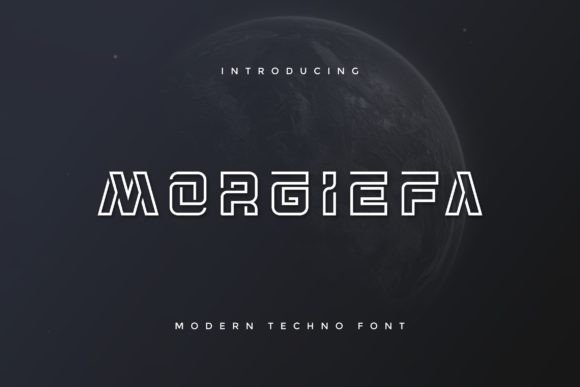
Morgiefa is classified as a display typeface, meaning it is optimized for use at larger sizes rather than body text. Its design philosophy balances contemporary geometric precision with playful, organic flair. Unlike rigid industrial fonts that can feel cold or impersonal, Morgiefa incorporates subtle irregularities and dynamic strokes that suggest movement and energy.
The font’s boldness is its most immediate characteristic. However, this weight does not come at the expense of readability. The letterforms are carefully constructed to maintain open counters and clear distinctions between similar characters. This balance is critical for a display font; if a typeface is too decorative, it becomes illegible, but if it is too plain, it fails to capture attention. Morgiefa sits comfortably in the middle ground, offering enough stylistic deviation to be memorable while retaining the structural integrity required for professional communication.
For designers, the "playful flair" mentioned in its description translates to versatility. It avoids the trap of being overly whimsical, which limits its use to children’s products or casual events. Instead, the playfulness is refined, making it suitable for modern startups, lifestyle brands, and editorial headers that wish to appear approachable yet authoritative.
Performance Across Digital and Print Media
One of the significant challenges in modern typography is ensuring consistency across different media. A font that looks striking on a high-resolution retina display may lose its nuance when printed on matte paper, or vice versa. Morgiefa demonstrates robust performance in both environments, though its application requires an understanding of medium-specific constraints.
Digital Applications
In digital spaces, such as website headers, landing pages, and social media graphics, Morgiefa excels due to its high contrast and bold presence. On screens, where users scan content rapidly, the font’s distinct shapes help anchor the viewer’s eye. It is particularly effective for:
- Hero Sections: Using Morgiefa for main headlines on homepage banners creates an immediate visual hook.
- Social Media Assets: Instagram stories, Pinterest pins, and LinkedIn banners benefit from the font’s ability to remain legible even when scaled down for mobile viewing.
- Email Marketing: Subject lines and header images using Morgiefa can improve open rates by standing out in cluttered inboxes.
However, designers must ensure proper web font loading optimization. Because display fonts often have more complex vector paths than standard system fonts, file size can be a consideration. Using subsetted font files or variable font formats can mitigate performance issues while maintaining the visual impact of Morgiefa.
Print and Physical Collateral
In print, Morgiefa adds a tactile sense of quality. Its bold strokes hold up well on business cards, posters, and packaging. The ink spread on uncoated paper can sometimes soften fine details, but Morgiefa’s substantial weight ensures that the letterforms remain crisp and recognizable. It is an excellent choice for:
- Packaging Design: Product labels require instant recognition. Morgiefa’s distinctive style helps products stand out on shelves.
- Event Materials: Flyers, tickets, and signage benefit from the font’s energetic tone, setting the mood for conferences, workshops, or launches.
- Editorial Layouts: Magazine covers and chapter headings use Morgiefa to break up dense text blocks and guide the reader through the narrative.
Strategic Use Cases and Audience Fit
Understanding who benefits most from Morgiefa helps in determining whether it fits your current project pipeline. It is not a universal solution for every design challenge, but it is highly effective for specific professional profiles.
Brand Strategists and Marketers: For professionals building brand identities, Morgiefa offers a way to signal modernity and confidence. It works well for brands targeting millennials and Gen Z audiences who value authenticity and visual distinctiveness over corporate sterility. If your goal is to position a client as innovative and approachable, this typeface supports that narrative.
Freelancers and Small Business Owners: Entrepreneurs often need to create their own marketing materials without hiring a full-time designer. Morgiefa’s inherent readability and stylish appearance allow non-designers to create professional-looking logos and headers with minimal effort. It reduces the need for excessive graphic embellishments because the typography itself carries the design weight.
Educators and Publishers: In educational materials, engaging students is paramount. Morgiefa can be used for course titles, workshop headers, and certificate designs to make learning materials feel less bureaucratic and more inviting. Its clarity ensures that the message is not lost in decoration.
Evaluating Usability and Long-Term Value
When investing in a typeface, longevity is a key factor. Trends in typography shift rapidly, with styles falling in and out of favor. Morgiefa’s design leans on fundamental principles of balance and proportion rather than fleeting gimmicks. This suggests a longer shelf life compared to highly trendy, novelty fonts. While it has a modern feel, its roots in classic display structures mean it is less likely to appear dated within two to three years.
Usability is another critical metric. A good display font should pair well with other typefaces. Morgiefa pairs effectively with clean, neutral sans-serifs for body text. This combination allows the headline to shine without competing with the informational content. Designers should avoid pairing it with other decorative or serif fonts, as this can create visual clutter and reduce overall readability.
From a workflow perspective, the font’s versatility means it can serve multiple roles within a single brand system. It can function as a logo type, a headline font, and an accent for pull quotes. This consolidation reduces the number of licenses needed and simplifies the brand guideline document, offering practical value to project managers and creative directors.
Limitations and Professional Considerations
To provide a balanced view, it is essential to acknowledge where Morgiefa may not be the optimal choice. As a display font, it is not suitable for long-form body text. Using it for paragraphs or small captions will strain the reader’s eyes and diminish the user experience. It should be reserved for short bursts of text where impact is the primary goal.
Additionally, while the font is versatile, its bold nature means it requires adequate white space to breathe. Crowding Morgiefa with other graphical elements can negate its effectiveness. Designers must prioritize layout hygiene, ensuring that margins and padding are sufficient to let the typeface command attention.
Finally, context matters. For industries requiring strict formality, such as legal services or traditional finance, Morgiefa’s playful flair might be perceived as too casual. In these sectors, a more conservative typeface would better align with audience expectations and trust signals.
Final Thoughts on Integration
Morgiefa represents a thoughtful addition to the modern designer’s toolkit. It bridges the gap between artistic expression and functional communication, offering a bold voice that remains clear and professional. Its strength lies in its ability to grab attention without sacrificing readability, making it a reliable choice for headlines, logos, and key messaging across both digital and print platforms.
For professionals evaluating their typographic resources, Morgiefa is worth considering if your projects demand a blend of modern aesthetics and practical utility. By understanding its strengths and respecting its limitations, you can leverage this typeface to enhance brand perception and improve the visual hierarchy of your design work. Whether you are refreshing a corporate identity or launching a new creative venture, Morgiefa provides the dynamic touch necessary to make your message resonate.