Kohek: Integrating a Bold Display Font into Your Creative Workflow
In the landscape of modern graphic design, typography is not merely an afterthought; it is the structural backbone of visual communication. For designers, marketers, and content creators, selecting the right typeface is a critical decision that influences brand perception, readability, and emotional impact. Kohek emerges as a distinctive solution in this space, offering a fun and bold aesthetic that commands attention without sacrificing professional integrity. Understanding how to integrate Kohek into your broader creative process requires more than just downloading a file; it demands a strategic approach to hierarchy, compatibility, and workflow efficiency.
This article explores the practical application of Kohek within various professional contexts. We will examine how this display font fits into pre-production planning, execution phases, and final quality control, ensuring that your projects maintain consistency and high visual standards.
Understanding the Role of Display Typography
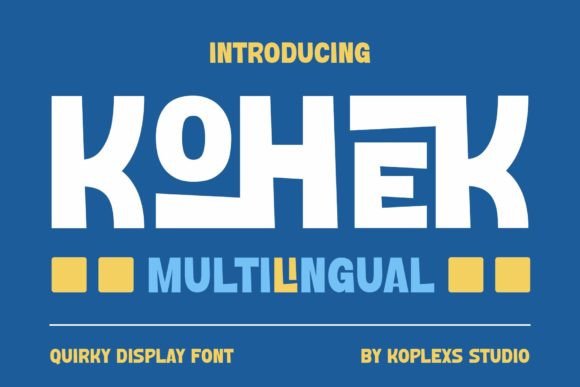
Before implementing any new asset, it is essential to understand its specific function. Kohek is classified as a display font, which means it is designed for large sizes and short bursts of text, such as headlines, logos, posters, and social media graphics. Unlike body text fonts, which prioritize legibility at small sizes, display fonts like Kohek prioritize personality and impact.
The "fun and bold" characteristics of Kohek make it particularly suitable for projects that require a strong voice. Whether you are designing a packaging label for a craft beverage, creating a thumbnail for a video platform, or developing a brand identity for a lifestyle startup, Kohek provides the visual weight necessary to stop the scroll. However, its effectiveness relies on restraint. Using a bold display font indiscriminately can lead to visual clutter. Therefore, the first step in your workflow should be defining where Kohek adds value and where it might distract.
Pre-Production: Planning and Compatibility Checks
Successful integration begins before you open your design software. During the planning phase, consider the ecosystem of tools and assets you are already using. Kohek must coexist with other elements in your design system. Ask yourself the following questions:
- What is the primary message? If the tone is serious or corporate, Kohek’s playful nature might clash. If the goal is engagement, energy, or approachability, it is likely a strong candidate.
- What are the technical constraints? Ensure that the file formats provided with Kohek are compatible with your preferred design platforms, whether that is Adobe Illustrator, Photoshop, Figma, or Canva.
- Who is the audience? Adults aged 20–50 appreciate clarity mixed with creativity. Kohek strikes a balance that appeals to this demographic by being modern yet accessible.
By addressing these factors early, you prevent costly revisions later in the process. It is also advisable to create a mood board that includes Kohek alongside potential color palettes and imagery. This visual testing helps determine if the font’s bold strokes complement or compete with your other design elements.
Implementation: Strategic Placement and Hierarchy
Once you begin the execution phase, the key to using Kohek effectively lies in typographic hierarchy. A common mistake among beginners is overusing bold fonts. To maintain professionalism, limit Kohek to primary headings and key call-to-action elements. Pair it with a neutral, highly legible sans-serif or serif font for body copy. This contrast ensures that Kohek remains the star of the show while the supporting text facilitates easy reading.
Consider the spacing and kerning. Bold display fonts often require adjusted letter spacing to maintain optical balance. In digital interfaces, ensure that the weight of Kohek does not overwhelm smaller screens. Responsive design principles apply to typography as well; you may need to adjust the size or even switch to a lighter weight variant if available, depending on the device.
For entrepreneurs and small business owners, consistency is vital. Create a style guide that specifies exactly how Kohek should be used. Define rules for capitalization, color usage, and minimum size requirements. This documentation serves as a reference for anyone else working on your brand materials, ensuring that the visual identity remains cohesive across all touchpoints.
Workflow Integration and Efficiency
Integrating Kohek into your daily workflow can enhance efficiency if managed correctly. Store the font files in a centralized, cloud-accessible location so that team members can easily install them. If you use project management tools, include typography guidelines in the briefs for each task. This reduces back-and-forth communication regarding design choices.
For freelancers and agencies, having a library of reliable display fonts like Kohek speeds up the initial concepting phase. Instead of searching for a new font for every project, you can rely on Kohek for clients who fit its aesthetic profile. This familiarity allows you to work faster, as you already understand the font’s quirks, strengths, and limitations.
Moreover, Kohek can be used in various stages of a project lifecycle. In the brainstorming phase, use it to create rough mockups that convey energy and direction. During the refinement phase, tweak the alignment and spacing to perfect the look. In the final delivery phase, ensure that the font is properly embedded or outlined in PDFs to prevent substitution issues when the client prints or shares the files.
Quality Control and Long-Term Use
Quality control is the final safeguard in your creative process. Before publishing or printing any material featuring Kohek, review it at actual size. Check for awkward ligatures or collisions between letters. Ensure that the contrast between the text and background meets accessibility standards. Bold fonts can sometimes appear heavier on certain screens, so test your designs on multiple devices.
Long-term use of a font like Kohek requires periodic evaluation. Trends in typography evolve, and what feels fresh today may feel dated in a few years. However, classic bold structures tend to have longevity. Monitor how your audience responds to materials using Kohek. If engagement rates are high and feedback is positive, continue to leverage it. If you notice fatigue, consider rotating it with other display fonts for specific campaigns while keeping Kohek as a core part of your brand’s secondary identity.
Practical Use Cases Across Industries
To illustrate the versatility of Kohek, consider these practical applications:
- Marketing Campaigns: Use Kohek for email subject lines and social media headers to increase open and click-through rates. Its boldness stands out in crowded inboxes and feeds.
- Educational Materials: Educators and publishers can use Kohek for chapter titles and section headers in textbooks or online courses. It breaks up dense information and guides the learner’s eye.
- Packaging Design: For product-based businesses, Kohek works well on labels where shelf presence is crucial. It conveys confidence and quality.
- Presentation Decks: Freelancers and consultants can use Kohek for slide titles to keep audiences engaged during pitches. It adds a layer of professionalism and modernity to standard templates.
Each of these use cases demonstrates how Kohek interacts with different mediums and user expectations. The common thread is the need for immediate visual impact, which Kohek delivers consistently.
Conclusion
Incorporating Kohek into your creative toolkit is more than a stylistic choice; it is a strategic move that can enhance the effectiveness of your communication. By understanding its role as a display font, planning for compatibility, and implementing it with discipline, you can achieve results that are both visually striking and professionally sound. Whether you are a seasoned designer or a business owner managing your own branding, Kohek offers the boldness and fun needed to make your projects stand out. Focus on preparation, consistency, and quality control, and you will find that this font becomes an indispensable part of your workflow, delivering loveable results time and again.