Feeling Delight: Elevating Brand Identity with Elegant Typography
In the crowded landscape of modern digital and print media, typography serves as the silent ambassador of your brand. It is not merely about legibility; it is about evoking emotion, establishing hierarchy, and communicating value before a single word is read. Among the myriad of typefaces available today, Feeling Delight stands out as a distinctive choice for creators who wish to infuse their projects with a sense of refined sophistication. This display serif font exudes elegance and charm, offering a unique blend of classical beauty and contemporary freshness that resonates with today’s discerning audiences.
The relevance of a typeface like Feeling Delight extends beyond its aesthetic appeal. In an era where minimalism often dominates design trends, there is a growing counter-movement toward expressive, character-rich typography. Brands and individuals are seeking ways to humanize their digital presence, moving away from sterile, generic sans-serifs toward fonts that tell a story. Feeling Delight answers this call by providing a typographic voice that is both graceful and authoritative, making it an essential tool for designers aiming to elevate their visual compositions.
The Anatomy of Elegance: Design Features and Aesthetic Appeal
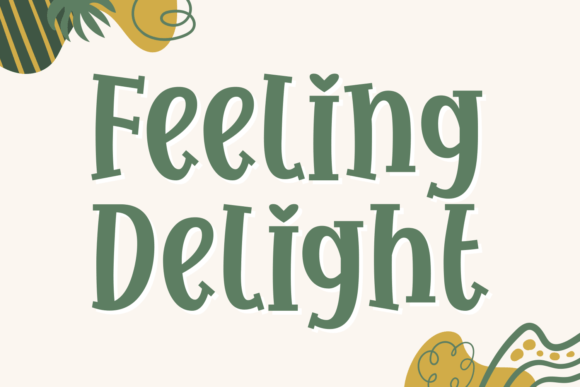
To understand why Feeling Delight is such a powerful asset in a designer’s toolkit, one must look closely at its construction. Each letter is crafted with delicate serifs and graceful curves, resulting in a refined and sophisticated appearance. These are not arbitrary design choices; they are calculated decisions that balance tradition with innovation. The serifs add a touch of classic beauty to the letterforms, grounding the font in a heritage of printed excellence, while the overall design retains a sense of modernity and freshness.
This duality is crucial for modern applications. Purely classical fonts can sometimes feel dated or overly formal, while ultra-modern fonts may lack warmth. Feeling Delight bridges this gap. The delicate nature of the serifs ensures that the font does not feel heavy or imposing, even at larger sizes. Instead, it invites the viewer in, creating a visual experience that is pleasant and engaging. For professionals in branding and marketing, this means the font can convey luxury without appearing inaccessible, and elegance without seeming pretentious.
Furthermore, the graceful curves of the letterforms contribute to a rhythmic flow when reading headlines or titles. This fluidity is essential for maintaining reader interest in short-form content, such as social media graphics, magazine covers, or product packaging. The font’s ability to retain clarity while exhibiting artistic flair makes it a versatile choice for designers seeking to create impactful first impressions.
Strategic Applications in Modern Branding and Marketing
Perfect for conveying a sense of sophistication and grace, Feeling Delight is ideal for use in headlines, titles, logos, and branding materials where a touch of luxury and refinement is desired. However, its utility goes beyond mere decoration. In strategic branding, typography plays a pivotal role in positioning. A wellness brand, for instance, might use Feeling Delight to communicate tranquility and high-quality care, distinguishing itself from competitors who rely on bold, aggressive typography. Similarly, a boutique fashion label can leverage the font’s charm to suggest exclusivity and attention to detail.
Consider the practical implications for entrepreneurs and small business owners. In a market where consumers are increasingly values-driven, the emotional resonance of a brand’s visual identity can be a deciding factor. Using a font like Feeling Delight signals that the brand cares about aesthetics and quality. It suggests a level of craftsmanship that mirrors the products or services being offered. Whether used for print or digital applications, this font brings a sense of delight and elegance to any design project, reinforcing the brand’s promise of excellence.
For marketers, the versatility of Feeling Delight allows for consistent cross-channel messaging. It performs exceptionally well in large-format prints such as banners and posters, where its intricate details can be appreciated up close. Simultaneously, it remains effective in digital spaces, such as website headers and email newsletters, provided it is used at appropriate sizes to ensure readability. This adaptability makes it a cost-effective choice for businesses looking to maintain a cohesive visual identity across various platforms.
Navigating Current Design Trends and User Expectations
The resurgence of serif fonts in digital design reflects a broader shift in user expectations. As screens become higher resolution and more pervasive, users are becoming more sophisticated in their visual literacy. They appreciate nuance and detail. The trend toward "human-centric" design favors typefaces that feel organic and handcrafted rather than mechanically perfect. Feeling Delight aligns perfectly with this trend, offering a human touch through its delicate serifs and varied stroke widths.
Moreover, the current cultural moment places a high value on authenticity and emotional connection. Consumers are tired of corporate speak and sterile interfaces. They gravitate toward brands that feel personal and warm. By incorporating Feeling Delight into their design systems, creators can tap into this desire for connection. The font’s name itself suggests an emotional outcome—delight—which is precisely what successful brands aim to evoke in their customers. It is not just a tool for communication; it is a vehicle for emotional engagement.
It is also worth noting the evolution of web typography technologies. With improved support for custom fonts and variable fonts, designers have more freedom than ever to experiment with expressive typefaces without sacrificing performance. Feeling Delight fits seamlessly into these modern workflows, allowing for creative expression without technical compromise. This ease of integration encourages more widespread adoption among web developers and UI designers who previously might have avoided serif fonts due to loading concerns or rendering issues.
Practical Recommendations for Designers and Creators
While Feeling Delight is a powerful tool, its effectiveness depends on how it is used. To maximize its impact, consider the following best practices:
- Pairing with Simplicity: Because Feeling Delight is a display font with distinct character, it pairs best with clean, neutral sans-serif body fonts. This contrast ensures that the headline captures attention while the body text remains easy to read. Avoid pairing it with other decorative fonts, which can create visual clutter.
- Whitespace is Key: The elegance of Feeling Delight is enhanced by ample whitespace. Give the letters room to breathe. Crowding the font diminishes its sophisticated appearance and can make the delicate serifs difficult to distinguish, especially on smaller screens.
- Color Considerations: This font works beautifully in deep, rich colors such as navy, emerald, or burgundy, which reinforce its luxurious feel. It also stands out elegantly against light, pastel backgrounds. Avoid using it in low-contrast combinations that might obscure its fine details.
- Hierarchy and Scale: Use Feeling Delight primarily for headings, subheadings, and short quotes. It is not designed for long paragraphs of body text. Reserve it for moments where you want to create emphasis and emotional impact.
For freelancers and agencies, offering clients a typography strategy that includes Feeling Delight can differentiate your services. It demonstrates an understanding of how type influences perception and behavior. By educating clients on the psychological impact of elegant typography, you position yourself not just as a designer, but as a strategic partner in their brand’s success.
The Future of Expressive Typography
As we look forward, the role of typography in digital experiences will only grow in importance. With the rise of immersive technologies and interactive media, fonts will need to be more dynamic and expressive. Feeling Delight represents a step in this direction, proving that elegance and functionality can coexist. It challenges the notion that serif fonts are relics of the past, instead positioning them as vital components of modern, emotionally intelligent design.
For educators and students of design, studying fonts like Feeling Delight offers valuable insights into the balance of form and function. It serves as a case study in how traditional typographic principles can be adapted for contemporary contexts. Understanding why certain curves feel graceful and why specific serifs convey sophistication helps build a deeper intuition for design decisions.
Ultimately, the choice of typeface is a reflection of intent. When you choose Feeling Delight, you are choosing to prioritize elegance, charm, and refinement. You are signaling to your audience that you value quality and attention to detail. In a world that often moves too fast, taking the time to select a font that brings joy and sophistication is a meaningful act. It transforms ordinary designs into memorable experiences, leaving a lasting impression of delight.
Whether you are designing a wedding invitation, a luxury product label, or a high-end corporate brochure, Feeling Delight offers the perfect typographic foundation. It is more than just a font; it is a design philosophy that celebrates the beauty of language and the power of visual storytelling. By integrating this lovely display serif into your work, you join a community of creators who believe that design should not only inform but also inspire.