Casual Dreams: Elevating Design with Playful Typography
In the vast landscape of graphic design, finding the right typeface is often the difference between a project that feels sterile and one that resonates emotionally. For designers, educators, and content creators who need to convey warmth, approachability, and joy, standard sans-serif or rigid serif fonts often fall short. This is where Casual Dreams emerges as a vital tool in your creative arsenal. It is not merely a font; it is a design solution crafted to bridge the gap between professional polish and genuine human connection.
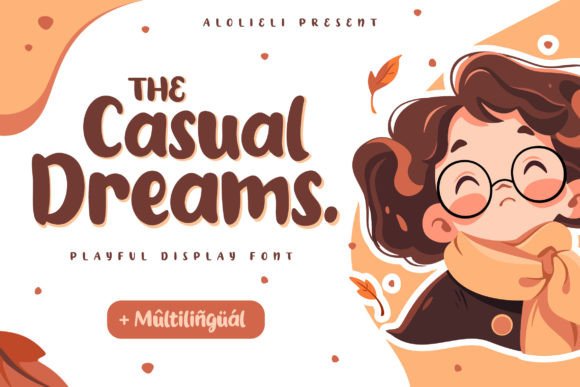
Casual Dreams is a playful display font designed to bring immediate joy to your visual compositions. With its whimsical strokes and dynamic curves, it radiates a carefree charm that is difficult to replicate with more traditional typography. Whether you are working on children’s books, educational materials, or lively invitations, this font adds a necessary touch of fun that engages viewers instantly. By embracing the playful spirit of Casual Dreams, you allow every letter to spark creativity and invite your audience into a more relaxed, positive mindset.
The Challenge of Conveying Warmth in Digital Design
Many creatives face a common hurdle: how to make digital or printed materials feel personal and inviting without sacrificing readability or professionalism. In sectors like education, early childhood development, and event planning, the tone of the text is just as important as the information it conveys. A stiff, corporate font can create an unintentional barrier, making content feel authoritative rather than supportive.
The goal for many projects in these niches is to lower the cognitive load for the reader while increasing emotional engagement. When a parent picks up a birthday invitation, they want to feel excitement. When a child opens a learning worksheet, they should feel encouraged, not intimidated. This is the specific niche where Casual Dreams excels. It addresses the need for typography that speaks the language of happiness and ease, solving the problem of emotional disconnect in design.
Practical Applications for Casual Dreams
Understanding where to apply this typeface is key to maximizing its impact. Because Casual Dreams is a display font, it shines brightest in headlines, titles, and short bursts of text where personality is paramount. Here are several practical scenarios where this font can transform your project:
- Children’s Literature and Publishing: Book covers and chapter headers benefit immensely from the whimsical nature of Casual Dreams. The irregular, hand-drawn aesthetic mimics the spontaneity of childhood, making stories feel more accessible and magical to young readers.
- Educational Materials: Teachers and curriculum designers can use this font to soften the appearance of worksheets, flashcards, and classroom posters. It helps create a learning environment that feels safe and fun, encouraging participation from students who might otherwise feel anxious about academic tasks.
- Event Invitations and Stationery: For birthdays, baby showers, and casual gatherings, the font’s dynamic curves convey celebration. It moves away from the formality of traditional script fonts, offering a modern, lively alternative that suggests a relaxed and joyful atmosphere.
- Branding for Creative Businesses: Bakeries, toy stores, pet services, and art studios can use Casual Dreams in their logos or social media graphics to establish a brand voice that is friendly and community-oriented.
Implementation Strategies for Different Users
Different professionals will approach Casual Dreams with unique objectives. Understanding these perspectives can help you integrate the font more effectively into your workflow.
For Graphic Designers
If you are a designer, your primary concern is likely balance. While Casual Dreams is full of character, it should not overwhelm the layout. Use it for hierarchy—specifically for H1 and H2 tags or pull quotes. Pair it with a clean, neutral sans-serif body font to ensure legibility. The contrast between the playful header and the structured body text creates a professional yet engaging visual rhythm. Consider using bold weights for emphasis, but avoid stretching or distorting the font, as this can compromise the integrity of its whimsical strokes.
For Educators and Parents
For those creating home-schooling materials or classroom resources, the focus is on clarity and engagement. Casual Dreams can be used to highlight key concepts or instructions. For example, writing "Great Job!" or "Let's Explore" in this font can provide positive reinforcement. However, ensure that the size is large enough for young eyes to read comfortably. The open shapes and distinct letterforms aid in recognition, making it a suitable choice for early literacy tools when used sparingly.
For Small Business Owners
Entrepreneurs often wear many hats, including marketing. If you are designing your own flyers or social media posts, Casual Dreams offers a quick way to elevate production value. It eliminates the need for complex custom illustrations because the font itself acts as a decorative element. Use it for promotional banners or sale announcements to catch attention in a crowded feed. The friendly vibe can increase click-through rates by making your brand appear more approachable and less sales-driven.
Maximizing Impact with Semantic Considerations
To truly leverage Casual Dreams, consider the semantic context of your design. Typography is not just about aesthetics; it is about meaning. The "carefree charm" of this font aligns semantically with concepts of leisure, creativity, youth, and informality. Using it for a legal document or a financial report would create cognitive dissonance, confusing the reader. However, using it for a summer camp brochure or a creative workshop flyer reinforces the message before the user even reads the words.
Furthermore, accessibility remains a priority. While display fonts can sometimes be challenging for users with visual impairments, Casual Dreams maintains relatively clear letter distinctions. To ensure inclusivity, always maintain high contrast between the text color and the background. Avoid placing the font over busy images or patterns, as the dynamic curves may blend into the noise, reducing readability.
Conclusion: Letting Creativity Flow
Incorporating Casual Dreams into your design toolkit is an investment in emotional resonance. It solves the persistent challenge of making content feel human in an increasingly digital world. By choosing a typeface that prioritizes joy and whimsy, you are signaling to your audience that your content is safe, enjoyable, and worth their time.
Whether you are illustrating a storybook, designing a classroom resource, or crafting an invitation, let the playful spirit of Casual Dreams guide your creative process. It is more than just a collection of letters; it is a catalyst for connection. Embrace its dynamic curves, respect its playful nature, and watch as your projects transform from simple communications into memorable experiences. Start experimenting with Casual Dreams today, and discover how the right font can turn ordinary designs into extraordinary moments of delight.