Absurd World: A Practical Evaluation of a Distinctive Display Typeface
In the crowded landscape of modern graphic design, finding a typeface that balances artistic expression with functional legibility is a persistent challenge. Designers often seek fonts that do more than simply convey text; they want letterforms that act as visual anchors, establishing tone and identity instantly. Absurd World emerges in this context as an abstract modern display font that offers a unique structural approach to typography. It is not merely a variation of existing sans-serif or serif models but a deliberate departure from conventional geometry, characterized by its distinctive connectivity and sharp angularity.
This evaluation explores the specific characteristics of Absurd World, analyzing its practical applications, usability constraints, and the value it brings to professional design workflows. By understanding how this typeface functions in real-world scenarios, creators can determine whether it aligns with their project goals and brand narratives.
Structural Characteristics and Visual Identity
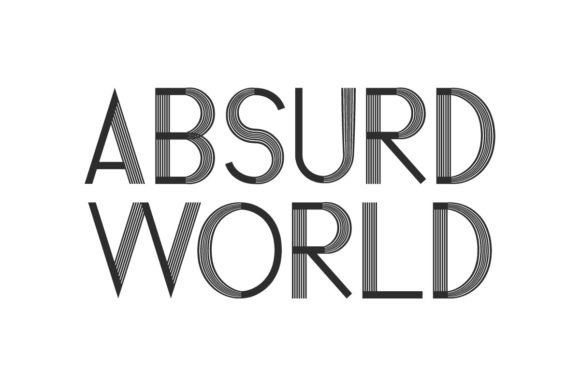
The defining feature of Absurd World lies in its construction. Unlike traditional typefaces where each character stands in isolation, this font introduces a sense of continuity through strategic connections. Specific stripes unite and attach to the corners of solid letters, creating a visual rhythm that guides the eye across the wordmark. This technique mimics the flow of handwriting or signage painting but retains the precision of digital vector graphics.
Furthermore, the font incorporates letters with sharp, aggressive shapes. These angular elements contrast with the smoother, connected strokes, resulting in a dynamic tension within the text. This duality—between connection and sharpness—gives the typeface its "absurd" yet compelling aesthetic. It feels contemporary and slightly rebellious, making it stand out in environments dominated by clean, minimalist sans-serifs.
For designers, these characteristics mean that Absurd World is not a neutral vessel for information. It is an active participant in the design. The unique shape of the glyphs ensures that even short phrases carry significant visual weight. However, this distinctiveness requires careful handling. The attached stripes and sharp angles can become visually noisy if used excessively, so understanding the balance between impact and readability is crucial.
Practical Applications in Professional Design
Given its display-oriented nature, Absurd World is best suited for projects where brevity and impact are paramount. It is not designed for long-form body text, where readability over extended periods is essential. Instead, its strengths shine in contexts that demand immediate attention and strong brand recall.
- Brand Identity and Logos: The unique connectivity of the letters makes it an excellent candidate for logotypes. Brands looking to project innovation, modernity, or a slight edge will find that the font’s structure supports these narratives effectively.
- Advertising and Signage: For billboards and large-format signage, the bold shapes and high contrast ensure visibility from a distance. The sharp angles cut through visual clutter, making the message clear even in busy urban environments.
- Packaging and Label Design: In retail settings, packaging must compete for shelf space. Using Absurd World for product names or key descriptors can create a premium, artisanal feel, particularly for products targeting younger demographics or niche markets.
- Digital Headers and Web Titles: On websites, this typeface works well for hero sections and main headings. It adds personality to landing pages without compromising the overall user experience, provided it is used sparingly.
Additionally, the font performs well in print media such as posters, magazine covers, and business cards. Its abstract quality allows it to function almost as an illustration, reducing the need for additional graphic elements. For stationery and stickers, the compact yet striking nature of the letters ensures that branding remains recognizable even at smaller scales.
Usability and Workflow Integration
From a technical standpoint, integrating Absurd World into a design workflow is straightforward for professionals familiar with standard typography tools. As a display font, it typically comes in a limited number of weights, which simplifies decision-making but also limits flexibility. Designers must rely on size, spacing, and color to create hierarchy rather than switching between light, regular, and bold variants.
One practical consideration is kerning. Because some letters connect via stripes while others remain separate, automatic kerning settings may not always yield optimal results. Manual adjustment is often necessary to ensure that the connections look intentional and balanced. This extra step requires time but significantly enhances the final presentation. Professionals who value precision will appreciate the control this offers, though those seeking quick, out-of-the-box solutions may find it demanding.
The font’s consistency across different mediums is another strength. Whether rendered in screen print, digital RGB, or CMYK offset printing, the sharp edges and solid forms maintain their integrity. This reliability is crucial for brands that require consistent visual identity across diverse touchpoints, from mobile screens to physical merchandise.
Target Audience and Strategic Fit
Who benefits most from using Absurd World? The primary audience includes graphic designers, art directors, and brand strategists working with clients in creative, tech, fashion, or lifestyle sectors. These industries often prioritize differentiation and visual storytelling, areas where this typeface excels.
Small business owners and entrepreneurs launching new ventures may also find value in this font. A distinctive typeface can help a new brand establish a memorable identity without the cost of custom lettering. However, it is essential to align the font’s personality with the brand’s values. If a company aims to project tradition, stability, or conservative reliability, the abstract and sharp nature of Absurd World may send conflicting messages.
Educators and publishers might use it for cover designs or chapter headers to add visual interest to educational materials, making them more engaging for students. Similarly, bloggers and content creators can use it for featured images or social media graphics to increase click-through rates through visual novelty.
Limitations and Best Practices
While Absurd World offers significant aesthetic value, it is not without limitations. Its abstract nature means that legibility can suffer if used at small sizes or in low-contrast situations. Designers should avoid using it for captions, footnotes, or any text that requires rapid scanning. Additionally, the unique shapes may not be universally accessible; individuals with certain visual impairments might find the connected strokes confusing.
To maximize effectiveness, consider the following best practices:
- Use Uppercase Sparingly: While all-caps can emphasize the geometric structure, it may reduce readability. Mixed case often provides better recognition due to the varied heights of the letters.
- Pair with Neutral Fonts: Balance the distinctiveness of Absurd World with a simple, highly legible sans-serif for body text. This contrast ensures that the design remains functional while still being visually striking.
- Mind the Spacing: Allow ample white space around the text. The complex shapes need room to breathe; crowding them with other elements can diminish their impact.
- Test Across Mediums: Always preview the font in its intended final format. What looks sharp on a high-resolution monitor may lose definition in print or on lower-quality screens.
Long-Term Value and Conclusion
Investing in a specialized typeface like Absurd World is about more than just aesthetics; it is about securing a versatile tool for future projects. Its modern design ensures that it does not feel tied to a fleeting trend, offering longevity in a rapidly changing design landscape. For professionals who regularly work on branding, packaging, or promotional materials, having such a distinctive display font in their library enhances their ability to deliver unique solutions to clients.
Ultimately, the decision to use Absurd World depends on the specific needs of the project. It is a powerful asset for those who understand its strengths and respect its limitations. When applied with intention and precision, it transforms ordinary text into a compelling visual statement, helping brands and creators communicate with clarity and style. For anyone seeking to elevate their design work with a typeface that combines abstract artistry with modern functionality, Absurd World warrants serious consideration.