Sassy Raccoon: Evaluating a Whimsical Display Typeface for Modern Design Projects
In the crowded landscape of digital typography, finding a typeface that balances personality with legibility is a common challenge for designers and brand managers. Sassy Raccoon emerges as a distinctive option in this space, offering a playful and adorable display style that leans heavily into rounded edges and soft shapes. Unlike rigid geometric sans-serifs or traditional serifs, this font family is designed to evoke a sense of whimsy and charm. For professionals working on projects ranging from children’s literature to boutique packaging, understanding the specific characteristics and ideal applications of Sassy Raccoon is essential for making an informed design decision.
Defining the Aesthetic and Core Characteristics
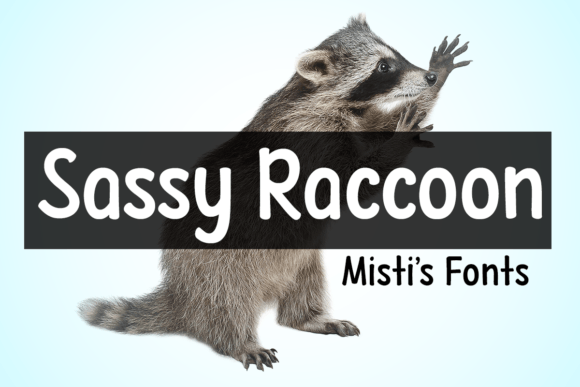
At its core, Sassy Raccoon is a display typeface. This classification means it is optimized for use at larger sizes, such as headlines, logos, and short bursts of text, rather than long-form body copy. The visual identity of the font is defined by its lack of sharp angles. Every terminal and curve is softened, creating a friendly and approachable appearance. This "softness" is not merely a stylistic choice but a psychological cue that signals safety, fun, and accessibility to the viewer.
The rounded edges contribute to a hand-drawn feel without sacrificing the consistency required for professional branding. When evaluating Sassy Raccoon against other playful fonts, one notices that it avoids the erratic inconsistencies often found in amateur script fonts. Instead, it maintains a structured baseline and consistent x-height, which ensures that while the font feels organic, it remains predictable and easy to work with in layout software. This balance makes it a versatile tool for designers who need creativity but cannot afford the time-consuming adjustments required by more chaotic handwritten styles.
Comparing Sassy Raccoon to Other Typographic Styles
To understand where Sassy Raccoon fits in a design toolkit, it is helpful to compare it with broader typographic categories. When placed next to standard geometric sans-serifs like Futura or Circular, Sassy Raccoon feels significantly more informal. While geometric fonts convey efficiency and modernity, they can sometimes appear cold or corporate. Sassy Raccoon injects warmth, making it a superior choice for brands that want to appear human-centric and approachable.
However, it is distinct from serious handwritten scripts or calligraphy fonts. Script fonts often aim for elegance or formality, which can create a barrier to entry for younger audiences or casual consumers. In contrast, the playful nature of Sassy Raccoon lowers that barrier. It does not try to impress with sophistication; instead, it invites engagement through simplicity. Compared to bold, blocky slab serifs that shout for attention, Sassy Raccoon whispers with charm. It captures attention through likability rather than volume, which is a crucial distinction for brands aiming for community building rather than aggressive sales tactics.
Ideal Use Cases and Practical Applications
The versatility of Sassy Raccoon shines in specific industries where tone is paramount. One of the most natural fits for this typeface is the publishing sector, particularly children’s books. The rounded shapes mimic the softness associated with childhood, making titles and chapter headers feel inviting to young readers. Parents and educators often respond positively to materials that look gentle and safe, and this font aligns perfectly with those expectations.
Beyond publishing, Sassy Raccoon is highly effective in branding and packaging for lifestyle products. Consider a small business selling organic baby food, handmade soaps, or artisanal pet treats. These products rely on trust and a sense of care. Using a harsh, industrial font could undermine the brand message, whereas Sassy Raccoon reinforces the narrative of natural, careful craftsmanship. On packaging, the font’s clarity ensures that product names remain legible even when printed on curved surfaces or small labels.
In the realm of digital media, social media graphics benefit significantly from this typeface. Platforms like Instagram and Pinterest favor content that stops the scroll through visual appeal. Headlines created with Sassy Raccoon stand out against the backdrop of standard system fonts used by many automated tools. Whether used for quote cards, event announcements, or promotional banners, the font adds a layer of custom design quality that elevates the perceived value of the content.
Limitations and When to Choose Alternatives
While Sassy Raccoon offers significant advantages in specific contexts, it is not a universal solution. Recognizing its limitations is just as important as appreciating its strengths. As a display font, it lacks the optical refinements necessary for extended reading. Using Sassy Raccoon for paragraphs of text, such as in a blog post, legal document, or technical manual, would result in poor readability and reader fatigue. The rounded terminals can blur together at smaller sizes, reducing character distinction.
Furthermore, the tone of the font may clash with certain brand identities. Industries that rely on authority, precision, and seriousness—such as finance, law, or high-end luxury fashion—may find Sassy Raccoon too casual. In these sectors, the whimsical charm could be misinterpreted as a lack of professionalism or stability. If a project requires conveying strict reliability or exclusive prestige, a more structured serif or a minimalist sans-serif would be a more appropriate alternative.
Designers should also consider the existing visual ecosystem of their project. If the accompanying imagery is highly complex, detailed, or chaotic, adding a playful font might create visual noise. In such cases, a neutral typeface might serve better as a grounding element. Sassy Raccoon works best when paired with clean, ample white space and simple graphic elements that allow its personality to breathe.
Making the Final Decision
Choosing the right typeface is ultimately about alignment with communication goals. Sassy Raccoon is an excellent resource for designers seeking to inject warmth, playfulness, and approachability into their work. Its rounded edges and soft shapes provide a distinct aesthetic that differentiates it from both rigid corporate fonts and messy handwritten scripts. It excels in environments where connecting with the audience on an emotional, friendly level is the primary objective.
When evaluating whether to license or download Sassy Raccoon, consider the following decision factors:
- Target Audience: Is the audience children, families, or consumers looking for friendly, accessible products? If yes, this font is a strong candidate.
- Medium: Will the text be used primarily in headlines, logos, or short phrases? Avoid using it for long body text.
- Brand Tone: Does the brand voice lean towards fun, whimsical, and charming? If the brand needs to appear stern or ultra-luxurious, look elsewhere.
- Visual Balance: Can the design accommodate a prominent, personality-driven font without becoming cluttered?
By weighing these factors, designers can determine if Sassy Raccoon is the right tool for their current project. It serves as a powerful reminder that typography is not just about readability, but about setting the emotional stage for the content. For projects that thrive on charm and connection, Sassy Raccoon offers a compelling, professional, and delightful solution.