Pixelon: Capturing the 8-Bit Spirit in Modern Design
There is a distinct emotional resonance associated with the early days of digital entertainment. For many adults who grew up during the arcade boom or the home console revolution, the visual language of that era triggers immediate memories of Saturday mornings, high scores, and simple yet addictive gameplay mechanics. Pixelon taps directly into this cultural vein. It is not merely a typeface; it is a bridge to the past, designed to evoke nostalgia for the 8-bit era while remaining functional enough for contemporary design challenges.
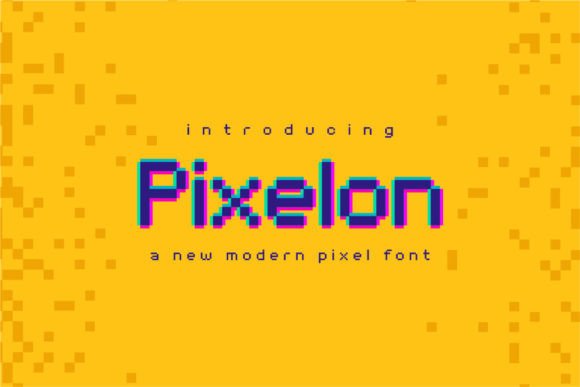
When you look at Pixelon, you see sharp, blocky letters that refuse to apologize for their digital origins. In an age where sleek, minimalist sans-serifs dominate corporate branding, choosing a font like Pixelon is a deliberate statement. It signals playfulness, creativity, and a willingness to stand out. Whether you are designing a mobile app interface, crafting a poster for a retro-themed event, or building a personal brand that values authenticity over polish, this typeface offers a unique toolkit for visual communication.
The Aesthetic Power of Blocky Typography
The primary strength of Pixelon lies in its unapologetic geometry. Unlike modern fonts that strive for smooth curves and invisible readability, Pixelon celebrates the pixel grid. Each character is constructed from visible squares, mimicking the low-resolution displays of the 1980s and early 1990s. This aesthetic choice does more than just look cool; it creates an immediate psychological connection with the viewer.
For designers and marketers, understanding this connection is crucial. Nostalgia is a powerful marketing tool because it bypasses logical evaluation and appeals directly to emotion. When a user sees Pixelon on a landing page or a product package, they often feel a sense of familiarity and comfort before they even read the text. This can lower barriers to engagement and make your content feel more approachable and fun.
However, the utility of Pixelon extends beyond mere sentimentality. The high contrast and bold structure of the letters make them exceptionally legible at larger sizes. This makes the font ideal for headlines, logos, and short bursts of text where impact is more important than density. The sharp edges create a strong visual hierarchy, ensuring that key messages grab attention immediately in a crowded digital landscape.
Practical Applications Across Industries
While the gaming industry is the most obvious home for Pixelon, its versatility allows it to shine in various professional and creative contexts. Here is how different creators can leverage this typeface effectively:
- Mobile App Development: Game developers creating indie titles or casual puzzle games can use Pixelon for in-game UI elements, scoreboards, and title screens. It reinforces the genre expectations and enhances the immersive experience for players seeking a classic feel.
- Branding and Logos: Tech startups, creative agencies, or boutique shops that want to project an image of innovation mixed with retro charm can incorporate Pixelon into their logo design. It works particularly well for businesses involved in electronics, coding education, or vintage collectibles.
- Event Marketing: Posters and flyers for music festivals, hackathons, or themed parties benefit from the energetic vibe of Pixelon. It stands out against photographic backgrounds and pairs well with neon color palettes, creating a dynamic visual identity for the event.
- Educational Materials: Educators teaching computer science history or digital literacy can use Pixelon in presentations and handouts to visually contextualize the evolution of technology. It serves as a visual aid that helps students connect theoretical concepts with historical realities.
Enhancing User Experience Through Visual Cues
In web design and user interface development, typography plays a critical role in guiding user behavior. Pixelon can be used strategically to highlight calls-to-action or important notifications. Because it differs significantly from standard body text fonts, it naturally draws the eye. For example, using Pixelon for a "Start Game" button or a "Limited Offer" banner can increase click-through rates by making these elements feel interactive and urgent.
Moreover, the font’s distinct personality can help establish a consistent brand voice. If your brand values creativity, fun, and accessibility, Pixelon reinforces these traits visually. It tells the user that your platform is not stiff or overly corporate, but rather inviting and engaging. This alignment between visual style and brand values contributes to a cohesive user experience that builds trust and loyalty.
Considerations for Effective Implementation
While Pixelon is a powerful design asset, it requires thoughtful application to avoid visual fatigue. The blocky nature of the font can become difficult to read in long paragraphs or at small sizes. Therefore, it is best reserved for headings, titles, and short labels. For body text, pair Pixelon with a clean, highly readable sans-serif font. This contrast ensures that while your headers grab attention, your main content remains accessible and easy to digest.
Color choice also plays a significant role in how Pixelon is perceived. The font shines when paired with vibrant, high-contrast colors reminiscent of 8-bit palettes—think electric blues, bright greens, and hot pinks. However, it can also work in monochrome schemes for a more sophisticated, minimalist retro look. Experimenting with different color combinations can help you find the right balance between nostalgia and modern elegance.
Another practical consideration is scalability. Ensure that the font renders clearly across different devices and screen resolutions. While Pixelon is designed to look good at various sizes, testing it on mobile devices is essential to maintain legibility. Adjusting letter spacing or line height may be necessary to optimize readability in specific contexts.
Why Pixelon Stands Out in a Crowded Market
In a digital world saturated with generic templates and safe design choices, Pixelon offers a refreshing alternative. It allows creators to inject personality and history into their work without sacrificing professionalism. By choosing Pixelon, you are not just selecting a font; you are curating an experience that resonates with a specific audience and communicates a clear message.
Whether you are a freelancer looking to differentiate your portfolio, a business owner aiming to refresh your brand identity, or an educator seeking to engage students, Pixelon provides the tools you need to make an impact. Its ability to evoke nostalgia while remaining relevant in modern design makes it a valuable addition to any creative toolkit. Embrace the blocky aesthetic, experiment with bold colors, and let Pixelon help you tell your story in a way that is both memorable and meaningful.
Ultimately, the success of any design project depends on how well it connects with its audience. Pixelon facilitates this connection by tapping into shared cultural memories and presenting them in a fresh, contemporary format. It is a testament to the enduring appeal of the 8-bit era and a reminder that sometimes, the simplest designs are the most powerful.