Peace Mind: Mastering the Art of 3D Typography in Modern Design
In the crowded landscape of digital branding, standing out requires more than just a clever logo or a catchy tagline. It demands visual impact that captures attention within milliseconds. This is where Peace Mind enters the conversation. As a modern display font featuring a striking 3D effect, it offers designers and business owners a powerful tool to elevate their visual communication. However, possessing a stunning typeface is only half the battle. The real challenge lies in understanding how to wield it effectively without overwhelming your audience or compromising readability.
Many creators rush into using bold, dimensional fonts like Peace Mind because they look impressive in isolation. Yet, when applied incorrectly, these same features can hinder user experience and dilute brand messaging. By understanding common pitfalls and adopting a strategic approach, you can ensure that this font enhances rather than detracts from your creative projects.
The Allure and Application of Dimensional Type
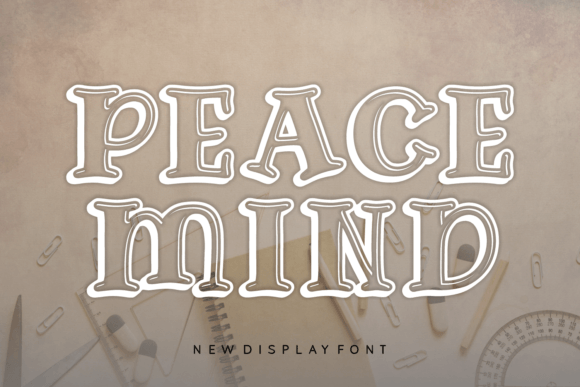
Peace Mind is not designed for body text. It is a display font, meaning its primary purpose is to command attention in large sizes. The 3D effect adds depth and texture, making it ideal for scenarios where you need immediate visual engagement. Think of logos, product packaging, and headlines. In these contexts, the font acts as a graphical element as much as a textual one.
Entrepreneurs and marketers often seek such fonts to convey solidity, modernity, and premium quality. When used on signage or posters, the dimensional aspect can create an illusion of physical presence, drawing the eye from a distance. Similarly, on book covers or invitations, it adds a tactile feel that suggests care and craftsmanship. However, the versatility of Peace Mind should not be mistaken for universal applicability. Its strength lies in brevity and impact, not in long-form narration.
Common Mistakes That Undermine Visual Impact
Even with a high-quality asset like Peace Mind, design errors can lead to poor results. Here are the most frequent missteps creators make and how to avoid them.
Ignoring Readability for Style
The most critical error is sacrificing legibility for aesthetic flair. Because Peace Mind has a complex 3D structure, it can become difficult to read if the size is too small or the background is cluttered. A common mistake is using this font for subheadings or secondary information where clarity is paramount. If your audience has to squint to decipher the message, the design has failed, regardless of how stylish it looks.
Better Approach: Reserve Peace Mind exclusively for primary headlines, short quotes, or brand names. Pair it with a clean, simple sans-serif font for supporting text. This contrast ensures that the 3D effect remains a focal point without causing visual fatigue.
Misjudging Color Contrast and Lighting
A 3D font relies heavily on light and shadow to create its illusion. Using Peace Mind on a background with similar tonal values will flatten the effect, making the text look muddy or indistinct. Many beginners place dark 3D text on dark backgrounds or light text on light backgrounds, expecting the software to handle the separation. It rarely does so effectively without manual adjustment.
Better Approach: Always test your color combinations. Ensure there is sufficient contrast between the font and its background. Consider adding a subtle drop shadow or glow if the background is complex, but keep it minimal to maintain the font’s inherent depth. For labels and packaging, consider how printing limitations might affect the gradient and shadow details of the 3D effect.
Overusing the Font Across Brand Assets
Enthusiasm for a new font can lead to overuse. Seeing Peace Mind on every social media post, email header, and flyer can desensitize your audience. The novelty wears off, and the brand begins to look inconsistent or amateurish. Furthermore, using a heavy display font for lengthy quotes or paragraphs creates a wall of text that repels readers rather than inviting them in.
Better Approach: Establish clear brand guidelines. Define specific use cases for Peace Mind, such as main titles on posters or the primary logo mark. Use it sparingly to maintain its impact. Consistency builds recognition, but variety maintains interest.
Evaluating Suitability Before Implementation
Before downloading or purchasing Peace Mind, take a moment to evaluate whether it aligns with your specific project goals. Not every brand benefits from a bold, 3D aesthetic. Luxury brands aiming for understated elegance might find it too aggressive, while tech startups seeking minimalism might prefer something flatter and cleaner.
- Check the License: Ensure the license covers your intended use, whether it’s for personal projects, commercial branding, or client work. Misunderstanding licensing terms can lead to legal issues down the line.
- Test Scalability: View the font at various sizes. Does it hold up on a mobile screen? Is it clear on a large billboard? A good display font should remain recognizable across different mediums.
- Consider the Medium: If you are designing for print, verify that the 3D effects translate well to ink. Gradients and shadows may require high-resolution files to avoid pixelation or banding.
Practical Tips for Maximizing Peace Mind
To get the most out of this typeface, focus on composition and balance. White space is your ally. Give Peace Mind room to breathe. Crowding it with other elements diminishes its presence. When designing invitations or book covers, let the font be the hero. Surround it with ample negative space to enhance its prominence.
Additionally, experiment with alignment. While centered text is traditional for display fonts, left or right alignment can create dynamic tension, especially when paired with imagery. For signage, ensure the 3D perspective aligns with the viewer’s angle if possible, though this is often fixed in digital fonts. Instead, focus on the weight and spacing of the letters to ensure uniformity.
Remember, the goal of using Peace Mind is to communicate clearly while adding visual interest. It should support your message, not overshadow it. By avoiding common mistakes and applying thoughtful design principles, you can leverage this modern display font to create compelling, professional-grade visuals that resonate with your audience.
Whether you are a freelancer crafting a new identity for a client or a small business owner updating your packaging, taking the time to understand the nuances of 3D typography will pay dividends. Peace Mind offers a unique blend of modernity and depth, but its success depends entirely on how wisely you choose to apply it. Make informed decisions, prioritize clarity, and let your creativity shine through structured, intentional design.