Old Town: Bringing Vintage Elegance to Modern Design
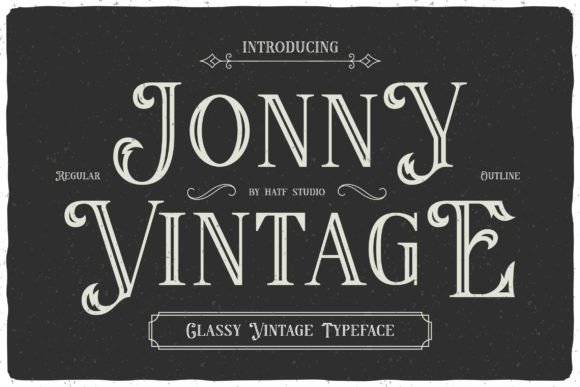
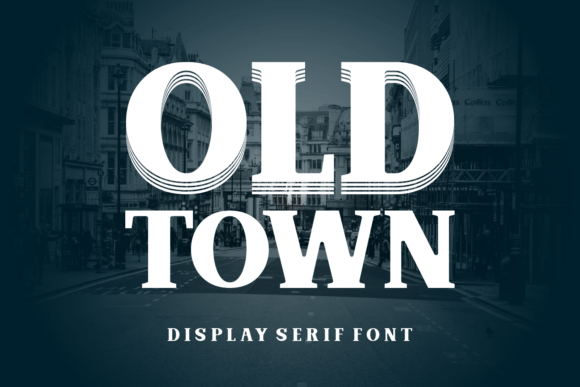
There is a specific kind of magic that happens when typography does more than just communicate words—it transports the viewer. Old Town is a classic and timeless display serif font that achieves exactly this effect. It evokes the charm and nostalgia of yesteryears, capturing an aesthetic that feels both familiar and refreshingly distinct in today’s digital landscape. Each letter is crafted with elegant serifs and refined lines, reminiscent of traditional typography found in vintage signage and print materials from a bygone era.
For designers, brand strategists, and creative entrepreneurs, finding a typeface that balances historical authenticity with modern legibility can be a challenge. Old Town exudes a sense of history and heritage, transporting viewers to an era of quaint streets and historic buildings. With its display serif style, it is perfect for projects that seek to capture a sense of vintage elegance and sophistication. Whether used for headlines, titles, logos, or branding materials, this font adds a touch of class and nostalgia to any composition.
The Psychology of Nostalgic Typography
Why do we gravitate toward fonts that look like they belong in the past? In a world saturated with sleek, minimalist sans-serifs, a display serif like Old Town stands out because it signals permanence. Its dignified and traditional appearance lends a sense of authority and credibility to the text, making it ideal for conveying timeless messages and branding concepts. When a consumer sees this style of typography, they subconsciously associate the brand with stability, craftsmanship, and quality.
This psychological trigger is powerful. It suggests that the business behind the design has roots, even if it was founded yesterday. For startups looking to establish trust quickly, or for established companies wanting to highlight their legacy, Old Town serves as a visual shorthand for reliability. It doesn’t shout; it speaks with the confidence of experience.
Real-World Applications Across Industries
While Old Town is versatile, it shines brightest in industries where storytelling and atmosphere are paramount. Here is how different sectors can leverage its unique character:
Hospitality and Dining
Imagine walking past a bistro with a chalkboard menu written in a generic digital font. Now, imagine that same menu featuring headers in Old Town. The difference is immediate. For cafes, bakeries, pubs, and fine dining establishments, this font enhances the sensory experience before the customer even tastes the food. It pairs beautifully with imagery of rustic wood, warm lighting, and artisanal ingredients. It tells the diner that the recipes are traditional and the atmosphere is curated.
Boutique Retail and Fashion
In the fashion world, trends cycle rapidly, but style is eternal. Brands that focus on heritage wear, leather goods, or handmade accessories benefit immensely from the refined lines of Old Town. It works exceptionally well for logo marks and packaging labels. When printed on textured paper or embossed on leather tags, the elegant serifs catch the light and shadow, adding a tactile dimension to the brand identity. It suggests that the product inside is not mass-produced, but carefully crafted.
Wedding and Event Planning
The wedding industry thrives on romance and tradition. Old Town is a natural fit for invitation suites, save-the-dates, and ceremony programs. Its nostalgic vibe complements floral motifs, wax seals, and calligraphic accents without competing with them. Unlike overly ornate scripts that can be difficult to read, Old Town maintains clarity while offering decorative flair. It allows couples to set a tone of sophisticated celebration rather than casual partying.
Publishing and Editorial Design
For book covers, particularly in genres like historical fiction, mystery, or literary non-fiction, Old Town provides an instant contextual cue. It signals to the reader that the story within may involve deeper themes, historical settings, or complex characters. Magazine editors might use it for feature article headlines to give a piece weight and importance, distinguishing long-form journalism from quick news bites.
Design Considerations and Best Practices
While Old Town is a powerful tool, it is not a one-size-fits-all solution. Understanding its strengths and limitations ensures you get the most out of it. As a display serif, it is designed to be seen at larger sizes. Using it for long paragraphs of body text can strain the reader’s eyes due to the intricate details of the serifs. Instead, pair it with a clean, neutral sans-serif or a highly readable serif for body copy. This contrast creates a visual hierarchy that guides the eye naturally from the headline to the content.
Color choice also plays a crucial role. Old Town looks stunning in deep, rich tones like charcoal, navy, or forest green, which reinforce its authoritative nature. However, it can also work in muted pastels for a softer, more romantic feel. Avoid neon or overly bright digital colors, as they clash with the font’s vintage soul. The goal is harmony between the typeface’s historical roots and the overall color palette.
Spacing is another critical factor. Because of its elegant structure, Old Town benefits from generous letter-spacing (tracking) when used in all-caps for logos or short titles. This breathing room allows each letterform to be appreciated individually, enhancing the sense of luxury and exclusivity. Conversely, tight spacing can make the serifs collide, reducing legibility and muddying the clean lines.
Who Benefits Most from Old Town?
Different users will find value in Old Town for different reasons. Graphic designers appreciate it as a reliable asset for client projects requiring a vintage or premium aesthetic. It saves time by providing an instant mood without needing extensive custom illustration. Small business owners who lack large marketing budgets can use Old Town to elevate their DIY branding efforts, making their social media graphics and storefront signs look professional and polished.
Content creators and bloggers in niche markets like home decor, antique restoration, or slow living can use Old Town for featured images and post headers to reinforce their thematic consistency. It helps build a recognizable visual brand that audiences associate with quality and care. Even educators or historians creating presentations or materials about local history can use this font to create an immersive educational experience that feels authentic to the period being discussed.
Integrating Old Town into Your Creative Workflow
To truly make Old Town work for you, think beyond the screen. Consider how it translates to physical materials. If you are designing a business card, consider using spot UV coating on the Old Town text to make it raise slightly off the paper. For signage, ensure the material—whether wood, metal, or acrylic—complements the font’s sturdy yet elegant structure. The interplay between the digital design and the physical medium is where the true charm of Old Town comes to life.
Ultimately, Old Town is more than just a collection of letters; it is a design element that carries emotional weight. It invites viewers to slow down and appreciate the details. In a fast-paced digital world, offering a moment of nostalgic elegance is a valuable service to your audience. By choosing Old Town, you are not just selecting a font; you are choosing to align your project with values of tradition, quality, and timeless beauty. Whether you are rebranding a century-old shop or launching a new artisanal product line, this typeface offers the perfect blend of heritage and sophistication to make your message resonate.