Monstesh: The Horror Font for Sinister Designs
Typography is often the silent narrator of visual storytelling. In genres that rely heavily on atmosphere, such as horror, thriller, and mystery, the choice of typeface can make or break the emotional impact of a project. This is where Monstesh enters the creative landscape. It is not merely a font; it is a design tool engineered to evoke immediate visceral reactions. With its jagged strokes and erratic letterforms, Monstesh captures the essence of terror, providing designers with a reliable asset for creating haunting visuals that linger in the viewer’s mind.
For graphic designers, marketers, and independent creators, finding a display font that balances readability with genuine unease is a challenge. Many horror fonts lean too heavily into illegibility or cliché tropes. Monstesh distinguishes itself by offering a sophisticated level of distress. It feels organic, as if the letters were carved under duress or formed from shadow and bone. This article explores how you can leverage this unique typography to elevate your projects, ensuring your designs are not just seen, but felt.
Understanding the Aesthetic of Monstesh
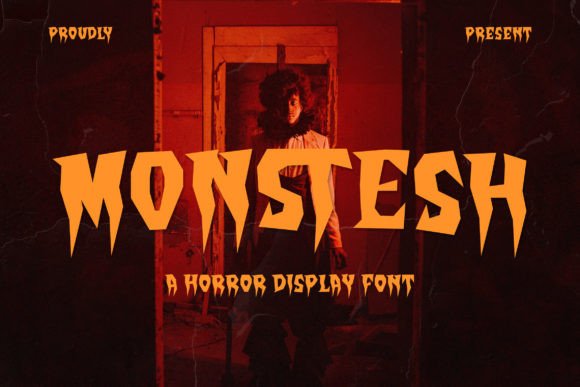
To use Monstesh effectively, one must first understand its structural DNA. The font features irregular baselines, sharp serifs that resemble claws or shards, and varying stroke widths that mimic hand-drawn urgency. These elements combine to create a sense of instability. In design psychology, instability triggers alertness and anxiety in the viewer, which is precisely the goal for horror-themed content.
Unlike standard sans-serif or serif fonts that prioritize order and clarity, Monstesh prioritizes mood. However, it retains enough structural integrity to remain legible at larger sizes. This makes it ideal for headlines, logos, and short bursts of text where impact is paramount. The "sinister edge" mentioned in its description is not an exaggeration; it is a deliberate design choice that separates it from playful or cartoonish spooky fonts. It is serious, dark, and unapologetically bold.
Practical Applications for Creators
The versatility of Monstesh extends beyond traditional horror movies. While it is naturally suited for film posters and book covers, its application can be broadened to various industries and creative fields. Here is how different professionals can integrate this font into their workflow.
Film and Entertainment Marketing
For indie filmmakers and marketing agencies, the poster is the primary hook. Using Monstesh for the title treatment of a psychological thriller or a supernatural horror film instantly sets the tone. Pair it with high-contrast imagery—such as a silhouette against a stark background—to let the jagged edges of the font cut through the visual noise. Ensure the color palette remains muted, using deep reds, blacks, or desaturated grays to complement the font’s aggressive nature.
Event Promotion and Experiential Design
Halloween events, haunted house attractions, and immersive theater experiences require branding that promises a scare. Monstesh is perfect for flyers, tickets, and social media graphics promoting these events. When designing a flyer for a haunted house, use the font for the event name and key dates. Keep the supporting information in a clean, simple sans-serif font to maintain readability. This contrast ensures that while the atmosphere is eerie, the logistical details remain clear to the audience.
Publishing and Book Cover Design
Authors and publishers in the horror, crime, and mystery genres can use Monstesh to create compelling cover art. Whether it is a gothic novel or a modern slasher story, the font adds a layer of authenticity. For book covers, consider using texture overlays. Applying a grunge or paper texture over the text can enhance the tactile feel of the design, making it appear aged or damaged, which aligns perfectly with the font’s aesthetic.
Design Strategies for Maximum Impact
Using a display font like Monstesh requires a strategic approach to layout and composition. Because the font is visually loud, it demands space and attention. Overcrowding the design with other decorative elements will dilute its power. Here are some practical guidelines to keep your designs effective and organized.
- Prioritize Hierarchy: Use Monstesh exclusively for headings or key phrases. Do not use it for body text. Its irregular shapes make it difficult to read in long paragraphs, which can frustrate readers rather than intrigue them.
- Embrace Negative Space: Allow the font to breathe. Surround the text with ample white or dark space. This isolation amplifies the unsettling nature of the letterforms, making them appear more prominent and threatening.
- Color Psychology: While black and white is a classic combination, experiment with deep purples, blood reds, or sickly greens. These colors evoke specific emotional responses that pair well with the font’s sinister vibe. Avoid bright, cheerful colors unless you are aiming for ironic contrast.
- Texture and Effects: Enhance the font with subtle effects like drop shadows, outer glows, or distress textures. However, use these sparingly. The font already has significant character; adding too many effects can make the design look cluttered and amateurish.
Adapting Monstesh for Different Audiences
Not all horror is the same, and neither should be your application of Monstesh. The font can be adapted to suit various sub-genres and audience expectations.
For psychological horror, use the font in smaller sizes with wide kerning (letter spacing). This creates a sense of isolation and tension. For slasher or gore-heavy themes, use the font at large sizes with tight kerning, perhaps overlapping letters slightly to create a chaotic, claustrophobic feel. For supernatural or ghost stories, consider lowering the opacity of the font or adding a blur effect to suggest ethereal presence.
Small business owners, such as those running escape rooms or themed cafes, can also benefit from this adaptability. A themed cafe might use Monstesh for seasonal menus during October, creating a fun yet spooky experience for customers. An escape room might use it for puzzle clues, where the jagged edges hint at the danger within the game narrative.
Maintaining Clarity and Consistency
While creativity is essential, consistency ensures professionalism. When using Monstesh across multiple platforms—such as Instagram posts, website banners, and printed materials—maintain consistent sizing and color usage. This builds brand recognition, even within a niche market. Ensure that the font is legible against the background. If the background is busy, place the text on a solid-colored overlay to ensure the jagged strokes do not get lost in the noise.
Furthermore, always test your designs on different devices and print formats. What looks striking on a high-resolution monitor may lose detail when printed on low-quality paper. Adjust the weight and size accordingly to ensure the "bone-chilling" effect translates across all mediums.
Unleashing Creative Potential
Monstesh is more than a tool; it is an invitation to explore the darker corners of design. It encourages creators to step away from safe, conventional choices and embrace risk. By integrating this font into your toolkit, you gain the ability to communicate fear, suspense, and mystery without saying a word. Whether you are designing a movie poster, a Halloween invitation, or a book cover, Monstesh provides the foundational aesthetic needed to captivate your audience.
Remember, the most effective horror design is not just about shock value; it is about atmosphere. Monstesh helps you build that atmosphere with precision and style. Use it wisely, respect its intensity, and let it guide your creative decisions toward something truly memorable. Embrace the dark allure of Montesh and unleash your creativity in the darkest depths of design.