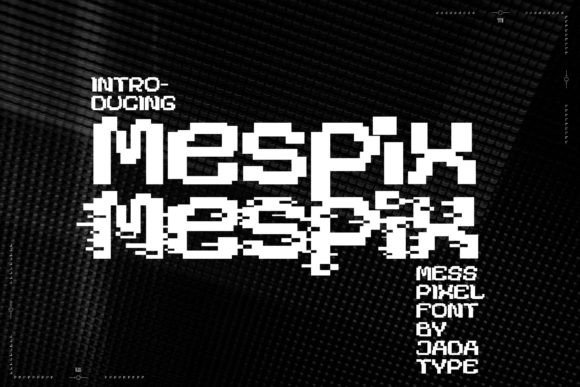
Mespix: Redefining Digital Identity Through Pixel Aesthetics
In the rapidly evolving landscape of digital design, typography serves as more than just a vehicle for text; it is the visual voice of a brand. Among the myriad of typefaces available today, Mespix has emerged as a distinctive choice for designers and marketers who wish to break away from conventional minimalism. As an eye-catching display font known for its distinctive pixel aesthetic, Mespix offers a bridge between retro nostalgia and modern digital clarity. It is an excellent choice for brands seeking a unique identity, making a bold, digital statement across social media platforms and logos.
The resurgence of pixel art and 8-bit graphics in contemporary culture is not merely a trend but a reflection of our collective digital heritage. Mespix taps into this cultural vein, providing a typographic solution that feels both familiar and fresh. Not only does it carry the weight of branding effortlessly, but it also proves versatile for a variety of products, making Mespix the go-to font for those wanting to stand out in the crowd. This article explores the multifaceted applications of Mespix, examining why its structural integrity and visual impact make it a critical tool for modern communicators.
The Psychology of Pixel Typography
To understand the effectiveness of Mespix, one must first appreciate the psychological impact of pixelated design. Pixels are the fundamental building blocks of the digital world. When used in typography, they evoke a sense of authenticity, technical precision, and playful nostalgia. Unlike smooth, vector-based sans-serif fonts that often blend into the background of corporate websites, a font like Mespix demands attention. It signals to the viewer that the content is digital-native, innovative, and unafraid to be different.
This distinctiveness is crucial in an era of information overload. Consumers are bombarded with thousands of marketing messages daily, most of which utilize safe, neutral typography. By employing a display font with a strong personality, brands can create an immediate visual hook. Mespix achieves this by balancing readability with stylistic flair. The blocky, grid-based structure of the letters ensures that even at larger sizes, the characters remain legible while maintaining their artistic integrity. This balance is rare in display fonts, which often sacrifice clarity for style.
Strategic Applications in Branding and Logos
One of the primary strengths of Mespix lies in its application for brand identity, particularly in logo design. A logo is the cornerstone of brand recognition, and using a custom or distinctive typeface can significantly enhance memorability. Mespix is particularly well-suited for tech startups, gaming companies, and creative agencies that want to project an image of innovation and digital fluency.
- Tech Startups: For companies involved in software development, blockchain, or artificial intelligence, Mespix reinforces the technical nature of their products. It suggests code, data, and digital infrastructure without being overly literal.
- Gaming Industry: Given its roots in pixel art, Mespix is a natural fit for game studios, esports teams, and streaming platforms. It connects instantly with gamers who appreciate the aesthetic history of the medium.
- Creative Agencies: Design firms and marketing boutiques can use Mespix to demonstrate their willingness to take risks and their understanding of current visual trends.
When integrating Mespix into a logo, it is essential to consider spacing and scale. Because pixel fonts rely on a grid system, kerning adjustments must be made carefully to ensure that the characters do not appear too cramped or too distant. The goal is to create a cohesive unit where the letters feel like they belong together, forming a solid visual block that represents the stability and reliability of the brand.
Dominating Social Media Visuals
Social media platforms are inherently visual environments where scroll-stopping content is king. Mespix excels in this arena due to its high contrast and bold presence. Whether used in Instagram stories, Twitter headers, or TikTok overlays, the font’s distinctive look ensures that text stands out against busy backgrounds or video content.
Consider the case of a digital product launch. A promotional graphic using a standard Helvetica font might convey the necessary information, but it lacks emotional resonance. Replacing it with Mespix transforms the graphic into a statement piece. The pixelated edges catch the eye, prompting users to pause and engage. This is particularly effective for announcements, sales promotions, and quote graphics where the text itself is the primary visual element.
Furthermore, Mespix pairs surprisingly well with modern photography and abstract graphics. The juxtaposition of organic, high-resolution images with the rigid, digital structure of pixel text creates a dynamic tension that is visually appealing. This contrast can be used to highlight key messages, drawing the viewer’s focus exactly where the designer intends.
Versatility Across Product Design
Beyond digital screens, Mespix demonstrates remarkable versatility in physical product design. The font’s clean lines and geometric structure translate well to print media, packaging, and merchandise. For brands looking to extend their digital identity into the physical world, Mespix provides a consistent visual thread.
For example, a clothing brand targeting a youth demographic might use Mespix on t-shirts, hoodies, and hats. The pixel aesthetic aligns with streetwear trends that often incorporate retro gaming and internet culture references. Similarly, tech accessories such as phone cases, laptop skins, and keyboard caps benefit from the font’s crisp appearance. When printed on these surfaces, Mespix retains its clarity, ensuring that the brand message remains impactful regardless of the medium.
In packaging design, Mespix can be used to highlight product names or key features. Its boldness makes it ideal for short bursts of text rather than long paragraphs. By using Mespix for headlines and pairing it with a simpler, more readable sans-serif for body text, designers can create a hierarchy that guides the consumer’s eye effectively. This combination ensures that the product looks premium and modern while still being accessible and easy to understand.
Implementation Best Practices
While Mespix is a powerful tool, its effectiveness depends on proper implementation. Designers should approach this font with a clear understanding of its strengths and limitations. Here are some key considerations for maximizing the impact of Mespix:
- Limit Usage to Headlines: As a display font, Mespix is designed for large sizes and short texts. Using it for body copy can reduce readability and cause visual fatigue. Reserve it for titles, headers, and call-to-action buttons.
- Maintain High Contrast: Pixel fonts work best when there is a strong contrast between the text and the background. Light text on a dark background, or vice versa, ensures that the pixel details are visible and sharp.
- Avoid Excessive Effects: The strength of Mespix lies in its simplicity. Adding drop shadows, gradients, or complex effects can obscure the pixel structure and diminish its impact. Let the font speak for itself.
- Test Across Devices: Ensure that the font renders correctly on various screen sizes and resolutions. While Mespix is designed to be robust, testing guarantees that the pixel aesthetic remains intact on both mobile and desktop views.
By adhering to these guidelines, designers can harness the full potential of Mespix, creating visuals that are not only aesthetically pleasing but also functionally effective. The font’s ability to convey a sense of digital authenticity makes it a valuable asset in any designer’s toolkit.
The Future of Digital Typography
As we move further into a digital-first world, the demand for unique, expressive typography will continue to grow. Fonts like Mespix represent a shift away from uniformity towards individuality. They allow brands to express their personality in a way that resonates with a digitally savvy audience. The pixel aesthetic, once confined to the early days of computing, has evolved into a sophisticated design language that speaks to both history and future.
For educators and researchers studying visual communication, Mespix offers a fascinating case study in how retro aesthetics can be repurposed for modern contexts. It demonstrates that design trends are cyclical, but their application evolves with technology and culture. By analyzing the success of fonts like Mespix, we gain insights into consumer preferences and the enduring appeal of digital nostalgia.
In conclusion, Mespix is more than just a font; it is a strategic design element that can elevate a brand’s visual identity. Its distinctive pixel aesthetic, combined with its versatility and bold presence, makes it an excellent choice for those looking to make a lasting impression. Whether used in logos, social media graphics, or product packaging, Mespix helps brands stand out in a crowded marketplace. By embracing the unique qualities of this typeface, designers and business owners can create compelling visual narratives that resonate with their audience and drive engagement.