Express: Injecting Playful Personality into Your Digital Designs
In the vast landscape of digital typography, finding a typeface that strikes the perfect balance between legibility and character can feel like searching for a needle in a haystack. Most fonts fall into two camps: the strictly functional, which get the job done but lack soul, or the overly decorative, which look stunning in isolation but become unreadable in paragraphs. Enter Express, a fun and quirky display font that defies these rigid categories. It is not just a collection of letters; it is a design tool capable of transforming mundane layouts into engaging visual experiences. Whether you are a seasoned graphic designer, a small business owner managing your own branding, or a content creator looking to spice up your social media graphics, understanding how to leverage Express can significantly elevate your creative output.
The Essence of Quirky Typography
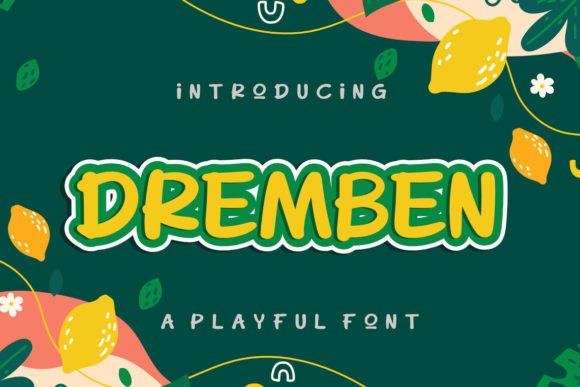
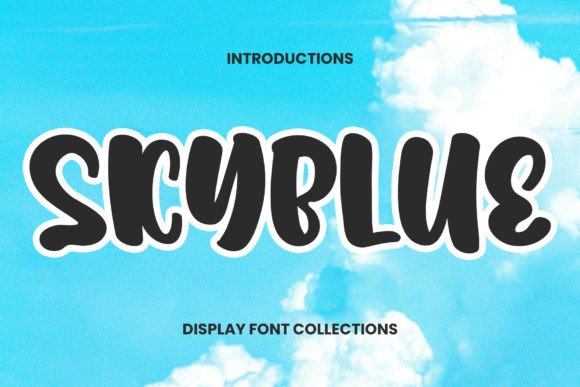
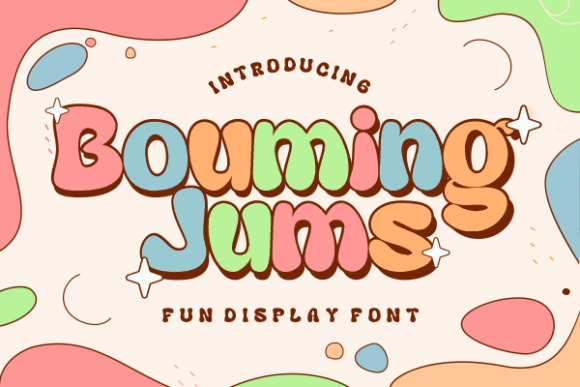
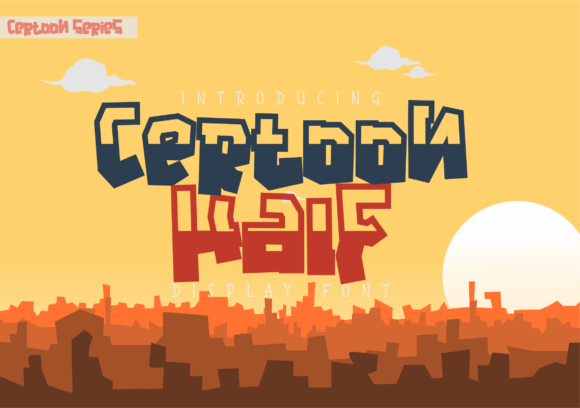
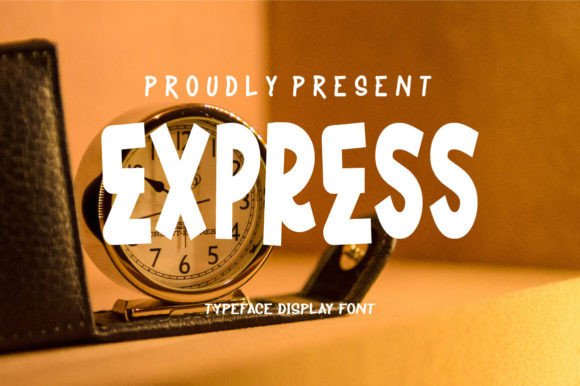
At its core, Express was designed with personality in mind. Unlike traditional serif or sans-serif fonts that prioritize neutrality, this typeface embraces irregularity. The strokes are dynamic, often featuring subtle variations in weight and curvature that mimic the natural flow of hand-lettering without sacrificing the consistency required for digital use. This "handcrafted" feel is what makes it so appealing. It suggests authenticity, approachability, and a touch of whimsy.
When you add Express to your creative projects, you are not merely changing the text; you are altering the tone of the entire composition. It signals to the viewer that the content is friendly, informal, and human-centric. This is particularly valuable in an era where consumers are increasingly skeptical of corporate stiffness. A brand that uses a font like Express appears more relatable, more willing to connect on a personal level, and less concerned with maintaining an impenetrable facade of professionalism.
Key Characteristics That Set It Apart
To truly appreciate the utility of this font, one must look closely at its structural nuances. Here are the defining features that make Express a standout choice:
- Organic Curves: The letterforms avoid sharp, mechanical angles in favor of soft, rounded edges. This reduces visual tension and makes the text feel welcoming.
- Variable Weight Distribution: While consistent enough for readability, the slight variations in stroke width give the font a rhythmic quality, preventing it from looking static or boring.
- Distinctive Glyphs: Certain characters, such as the 'g', 'y', and 'Q', often feature unique tails or loops that serve as visual anchors, drawing the eye and adding memorability.
- High X-Height: The height of lowercase letters relative to uppercase ones is optimized for clarity, ensuring that even at smaller sizes, the text remains legible.
These characteristics combine to create a typeface that is versatile within its niche. It is not suitable for every application, but for those it fits, it is nearly perfect.
Practical Applications in Real-World Scenarios
Understanding the theory behind a font is useful, but seeing it in action is where the true value lies. Express shines in contexts where engagement and emotion are prioritized over dense information delivery. Let us explore several scenarios where this font can generate amazing outcomes.
Brand Identity and Packaging
For startups in the lifestyle, food, or children’s sectors, Express can be a cornerstone of brand identity. Imagine a local artisanal cookie shop. Using a sterile, corporate font on their packaging would create a disconnect between the product (homemade, warm, tasty) and the presentation. By contrast, using Express on the label immediately communicates warmth and craftsmanship. It suggests that real people made these cookies with care. Similarly, for a children’s educational app, the font’s playful nature aligns perfectly with the target audience’s expectations, making learning feel like play rather than work.
Social Media and Digital Marketing
In the fast-scrolling world of Instagram, TikTok, and Pinterest, grabbing attention is half the battle. Text overlays on images need to be punchy and visually interesting. Express excels here because it stands out against photographic backgrounds. Whether you are announcing a flash sale, sharing a motivational quote, or highlighting a customer testimonial, this font adds a layer of visual interest that standard system fonts lack. Its quirky nature encourages users to pause and read, increasing engagement rates.
Web Headers and Call-to-Action Buttons
While you might not want to use Express for long-form body text on a website, it is exceptional for headers and buttons. A "Sign Up Now" button rendered in Express feels more inviting and less demanding than one in a bold, blocky sans-serif. It softens the commercial intent, making the user feel like they are joining a community rather than submitting to a transaction. This subtle psychological cue can improve conversion rates by reducing friction.
Evaluating Suitability: When to Use It and When to Avoid It
No font is a universal solution. To use Express effectively, you must understand its limitations. Because it is a display font, it is designed to be used at larger sizes. Using it for small print, such as legal disclaimers, footnotes, or dense paragraphs, will result in poor readability. The quirks that make it charming at 48 points become distractions at 10 points.
Furthermore, consider the tone of your message. If you are designing materials for a law firm, a financial institution, or a medical journal, Express is likely inappropriate. These fields rely on trust, stability, and seriousness, which are better conveyed through traditional, neutral typefaces. Using a quirky font in these contexts could undermine credibility and make the organization appear unprofessional or frivolous.
However, for creative agencies, event planners, bloggers, and lifestyle brands, the risk is minimal, and the reward is high. The key is pairing. Express works best when combined with a clean, simple sans-serif font for body text. This contrast creates a hierarchy that guides the reader’s eye: the quirky font grabs attention, and the neutral font delivers the information.
Tips for Maximizing Impact
- Use White Space Generously: Quirky fonts need room to breathe. Crowding Express with other elements diminishes its impact. Allow ample padding around headlines.
- Limit Color Palettes: Since the font itself is visually busy, keep the color scheme simple. One or two bold colors often work better than a rainbow spectrum, which can clash with the letterforms.
- Avoid All Caps: Display fonts with unique lowercase characters often lose their charm when converted to all caps. The distinctive shapes of letters like 'a', 'e', and 's' are part of the font’s appeal, so preserve them by using sentence case or title case.
- Test Across Devices: Always preview your designs on mobile screens. What looks balanced on a desktop monitor may appear cluttered on a smartphone. Adjust sizing and spacing accordingly.
The Value of Emotional Connection in Design
Ultimately, the power of Express lies in its ability to foster an emotional connection. In a digital world that is often cold and impersonal, typography that feels human is a rare and valuable asset. It reminds viewers that there are people behind the screen, people who care about aesthetics, humor, and connection. This is not just about making things look "cute"; it is about strategic communication.
When you choose a font like Express, you are making a statement about your values. You are saying that you value creativity, that you do not take yourself too seriously, and that you want your audience to feel good when they interact with your content. This alignment between visual style and brand voice is what creates memorable experiences. It turns passive viewers into active participants.
Moreover, using distinctive typography helps with brand recognition. In a sea of similar-looking websites and social media feeds, a consistent use of Express can become a visual signature. Over time, users will begin to associate that specific quirky style with your brand, enhancing recall and loyalty. This is the hidden ROI of thoughtful typography.
Conclusion: Embrace the Quirk
Typography is more than just arranging letters; it is the voice of your design. Express offers a vibrant, energetic voice that can cut through the noise of the modern digital landscape. By understanding its strengths, respecting its limitations, and applying it with intention, you can transform ordinary projects into extraordinary ones. Whether you are designing a logo, a poster, or a web banner, consider adding Express to your toolkit. You may be surprised by how much a little quirkiness can enhance your message and delight your audience. After all, in a world of uniformity, being different is not just a style choice—it is a strategic advantage.
So, go ahead. Experiment. Mix it with clean sans-serifs. Play with colors. Let the letters dance. The outcome will not just be visually appealing; it will be authentically you. And that is the most powerful design element of all.