Encryption: The Visual Language of Digital Security and Modern Design
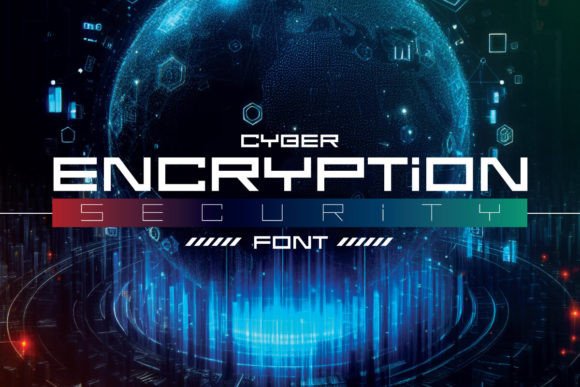
In the rapidly evolving landscape of digital communication, the concept of encryption has transcended its technical roots to become a cultural symbol. It represents privacy, security, and the safeguarding of information in an increasingly transparent world. However, beyond the complex algorithms and cryptographic keys that protect our data, there is a visual dimension to this concept that designers and creators are only beginning to fully explore. This is where typography plays a pivotal role. Specifically, the introduction of the ENCRYPTION font marks a significant moment for visual storytellers who wish to convey the essence of modern security through aesthetic means. This typeface is not merely a collection of letters; it is a futuristic and sleek instrument designed to bring a modern and innovative touch to projects that demand both clarity and impact.
The Dual Nature of Typographic Security
The ENCRYPTION font family is built on a foundation of duality, reflecting the two sides of secure communication: the robust, impenetrable shield and the elegant, seamless user experience. By offering two distinctive styles—Bold and Thin—this typeface allows designers to navigate the spectrum of technological expression with precision. Understanding how to leverage these variants is crucial for creating cohesive visual identities in tech-driven industries.
The Bold Variant: Strength in Geometry
The Bold variant of the ENCRYPTION font is engineered for maximum visibility and authority. It offers a strong and impactful appearance, making it the ideal choice for headlines, posters, and branding materials that must demand immediate attention. The design philosophy behind this weight is rooted in geometric precision. Its angular lines and sharp edges convey a sense of strength and reliability, mirroring the unyielding nature of high-level data protection.
For tech companies and startups operating in the cybersecurity sector, the Bold style serves as a visual metaphor for their core promise: unbreakable security. When used in large formats, such as conference banners or website hero sections, the heavy stroke weight creates a solid presence that instills confidence in the viewer. It is particularly effective in sci-fi themes and cutting-edge designs where the aesthetic needs to feel advanced and formidable. The angularity of the letters suggests a structured, logical approach to problem-solving, which is a key attribute sought after in engineering and software development fields.
The Thin Variant: Elegance in Minimalism
In stark contrast to its heavier counterpart, the Thin variant provides a delicate and sophisticated look. This style is ideal for adding a touch of elegance to work that might otherwise feel too industrial or cold. Its clean and minimalistic lines make it suitable for high-tech applications where subtlety is valued over brute force. In contemporary art pieces and sleek branding projects, the Thin weight allows for a breathable layout that feels open and accessible.
This variant is particularly useful for body text in digital interfaces or for subheadings that need to guide the user without overwhelming them. The thin strokes evoke a sense of precision and finesse, suggesting that the technology behind the brand is so advanced it operates invisibly and effortlessly. For educators and researchers presenting complex data, using the Thin variant can help reduce visual clutter, allowing the content itself to take center stage while maintaining a modern, professional aesthetic.
Practical Applications Across Industries
The versatility of the ENCRYPTION font extends far beyond traditional graphic design. Its unique characteristics make it a valuable asset for a wide range of professionals, from hobbyists creating personal blogs to business owners developing corporate identities. By understanding the specific strengths of each style, users can apply this typeface in ways that enhance communication and engagement.
- Tech Startups and SaaS Platforms: Use the Bold variant for logo marks and primary navigation to establish trust, while employing the Thin variant for feature descriptions to maintain readability.
- Cybersecurity Firms: Leverage the angular geometry of the Bold style in marketing materials to emphasize protection and defense capabilities.
- Contemporary Art Installations: Utilize the Thin variant for exhibition labels and informational plaques to create a gallery-like atmosphere that feels curated and refined.
- Sci-Fi Media and Gaming: Apply both styles in combination to create hierarchical UI elements that mimic futuristic heads-up displays (HUDs) seen in cinema and video games.
- Educational Resources: Implement the Thin variant in textbooks and online courses to provide a clean, distraction-free reading experience for students studying technology and science.
Design Considerations and Best Practices
While the ENCRYPTION font offers significant aesthetic advantages, its effective use requires a thoughtful approach to layout and composition. Because the typeface is inherently futuristic and stylized, it can easily overwhelm a design if not balanced correctly. Designers should consider the context in which the font will be viewed and adjust their strategies accordingly.
One key consideration is contrast. When using the Bold variant, it is essential to pair it with ample white space to prevent the design from feeling cramped or aggressive. The angular lines of the font need room to breathe, allowing the eye to trace the geometric shapes without fatigue. Conversely, when using the Thin variant, ensure that the background provides sufficient contrast to maintain legibility. Light gray text on a white background, for example, may render the thin strokes invisible, undermining the clarity of the message.
Another important factor is hierarchy. Since the font family consists of only two weights, designers must rely on size, spacing, and color to create visual distinction between different levels of information. Using the Bold style exclusively for headers and the Thin style for body copy creates a clear and intuitive structure that guides the reader through the content. This separation helps in organizing complex information, making it more digestible for a broad audience.
The Cultural Resonance of Futuristic Typography
The popularity of fonts like ENCRYPTION reflects a broader cultural fascination with the future. As society becomes increasingly dependent on digital infrastructure, the visual language we use to describe and interact with technology evolves. Sleek, geometric typefaces have become synonymous with innovation, progress, and forward-thinking. By adopting such a typeface, brands and creators align themselves with these values, signaling to their audience that they are at the forefront of their respective fields.
Moreover, the use of a dedicated "encryption" themed font adds a layer of semantic meaning to the design. It is not just about aesthetics; it is about reinforcing the message. When a cybersecurity company uses a font that visually resembles code or digital structures, it creates a cohesive narrative that strengthens brand recall. This alignment between form and function is a hallmark of effective design, ensuring that the visual experience supports the informational content.
Integrating ENCRYPTION into Your Workflow
For creators looking to incorporate the ENCRYPTION font into their projects, the process begins with experimentation. Start by testing the Bold variant in various headline scenarios to gauge its impact. Notice how the angular lines interact with other design elements such as images, icons, and colors. Then, switch to the Thin variant to see how it changes the tone of the piece. Does it feel more approachable? More refined?
It is also beneficial to observe how the font performs across different media. Digital screens, with their high resolution, often render thin strokes more clearly than print media. Therefore, if you are designing for web or mobile applications, the Thin variant may offer more flexibility. For print materials like brochures or business cards, the Bold variant might provide better durability and visibility. Testing these variations in real-world contexts will help you determine the best application for your specific needs.
Ultimately, the ENCRYPTION font is a tool for expression. It allows designers to communicate the complexities of the digital age through a visual lens that is both modern and innovative. Whether you are building a brand identity for a new tech startup, designing a poster for a sci-fi film festival, or creating educational materials for a computer science course, this typeface offers the versatility and style needed to make your project stand out. By mastering its two distinctive styles, you can create designs that are not only visually striking but also deeply resonant with the themes of security, innovation, and the future.